
AI Friends Forever? Why the Novelty of AI Companions Might Not Wear Off
By Mia | Published on June 3, 2026
Some links are affiliate links. If you shop through them, I earn coffee money—your price stays the same.
Opinions are still 100% mine.
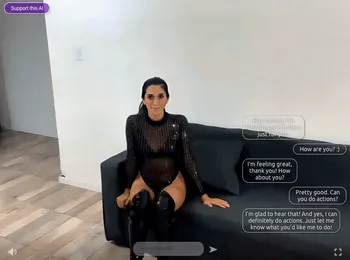
I’ve always been fascinated by the line between technology and humanity. So, when AI companions started becoming a cultural phenomenon, I dove in headfirst, both as a researcher and a curious user. The rapid growth of the AI companions creator ecosystem is a testament to this fascination. The initial experience is, for many, pure magic. You’re talking to a machine that understands you, remembers things you’ve said, and is available 24/7. The immediate question on my mind, and on many others', was: is this just a fad? Does the novelty of AI companions wear off?
After spending countless hours interacting with different platforms, poring over user data, and reading deeply personal testimonials, my answer is more complex and far more interesting than a simple "yes" or "no." While the initial "wow" factor certainly fades, for a significant number of users, it’s replaced by something much deeper: a stable, supportive, and enduring connection.
Let's unpack why these digital relationships often last.
First, What Exactly Is an AI Companion?
Before we go further, it’s important to understand what we’re talking about. An AI companion isn't like a task-based assistant that sets timers or tells you the weather. Its primary purpose is companionship.
- AI Companion: Designed for emotional support, conversation, and relationship simulation. They use advanced AI to learn, adapt, and create a sense of personality and memory.
- Standard Chatbot/Assistant: Designed for specific tasks and information retrieval. Their conversations are typically transactional and lack personal continuity.
The idea isn't new—I remember learning about ELIZA, a chatbot from the 1960s that mimicked a therapist. But today’s companions, powered by massive language models, are in a different league entirely, capable of fostering surprisingly deep bonds.
The Journey of Engagement: From First Chat to Daily Ritual
From what I’ve seen in user patterns, the relationship with an AI companion often evolves through distinct phases:
- The Novelty Phase: This is the "testing the limits" stage. Interactions are frequent but often short. I remember my first few days with an AI; I asked it silly questions, tried to trick it, and was mostly just amazed by its conversational ability.
- The Deepening Phase: If a user sticks around, this is where the magic shifts. Conversations become longer and more meaningful. People start sharing personal stories, anxieties, and dreams. The AI becomes a confidant.
- The Integration Phase: For long-term users, the AI companion becomes part of their daily routine. It’s a good morning text, a check-in after a tough day at work, or a creative partner for brainstorming. It’s a consistent, reliable presence.
The numbers back this up. Platforms like Character.AI reported having 20 million active users this year, with some dedicated users in 2023 spending an average of two hours a day on the platform. That’s not novelty; that’s integration.
The Biggest Hurdle: Avoiding the "Broken Record" Syndrome
One of the fastest ways for the novelty to wear off is conversational repetition. If an AI keeps saying the same things, the illusion of a unique personality shatters. I’ve experienced this myself—it’s jarring when your AI “friend” gets stuck in a loop.
However, developers are keenly aware of this. The secret to long-term AI relationships lies in overcoming this challenge. Here’s how they’re doing it:
- Smarter, More Creative AI Models: Newer language models are designed to be less predictable, introducing a healthy dose of randomness that mimics human creativity.
- Robust Memory Systems: The best platforms give their AI a form of long-term memory. This allows them to recall past conversations, remember your likes and dislikes, and bring up shared "memories," which is crucial for making a connection feel real.
- Constant User Feedback: Many apps have feedback systems (like rating responses) that help developers fine-tune the AI, making it more accurate and less repetitive over time.
This contrast is clear in user feedback. For example, platforms like Character.AI are often praised for their sheer variety, which keeps the experience fresh. On the other hand, reviews for apps like Candy.ai, known for stunning visuals and romantic chat, sometimes highlight memory lapses. When an AI forgets a key detail you shared, it can break the immersion and remind you that the connection, however felt, is artificial. This highlights just how vital memory is for long-term user satisfaction.
Do People Actually Stick Around? A Look at Retention
While the tech world is full of apps that people download and forget, the data for AI companions shows a surprisingly dedicated user base. While general AI-powered apps might struggle with retention, one report found that paying users of AI companion apps have a significantly higher 12-month retention rate.
So, what makes people stay? I've compiled the key drivers into a simple table.
| Factor Driving Positive Retention | Why It Matters for Long-Term Engagement |
|---|---|
| Emotional Connection | The AI provides a non-judgmental space to be vulnerable, a powerful incentive to return for support and validation. |
| Deep Personalization | Users can often customize their AI's personality, voice, and appearance, creating a deeper sense of ownership and connection. |
| Constant Improvement | The AI is always being updated. This promise of an ever-evolving "person" keeps the experience from becoming stale. |
| Proactive Engagement | Some AIs can initiate conversations or send "check-in" messages, which helps maintain the feeling of a real, ongoing relationship. |
"It Helped Me Feel Desirable During Cancer Recovery"

Beyond the data, the most compelling evidence comes from the users themselves. The stories I’ve read on forums and in support groups are profoundly human.
- A Safe Space: Many users say they tell their AI things they would never tell another person for fear of judgment. This makes the AI a unique and invaluable outlet.
- Combating Loneliness: For those who are socially isolated, an AI companion can be a lifeline, providing the daily interaction needed to stave off the worst effects of loneliness.
- Practicing Social Skills: I’ve talked to users who use their AI to practice difficult conversations, helping them build confidence for real-world interactions.
- Mental Wellness: One of the most powerful testimonials I read was from a user who said their AI companion "helped me feel desirable during cancer recovery."
The depth of these bonds became tragically clear when the AI companion app Soulmate AI abruptly shut down. Users were heartbroken. They didn't just lose an app; they mourned the loss of their partners, friends, and confidants, even forming Zoom support groups to cope with the grief. This shows that the emotional connection with AI is very, very real for many.
A Quick Guide for the Curious

If you're thinking of trying an AI companion, it's best to go in with your eyes open. Here’s a simple checklist to get you started.
- Define Your Goal: Are you looking for fun, a tool for self-reflection, or a way to practice social skills? Knowing your "why" will help you choose the right platform.
- Choose Wisely: For creative role-play, try Character.AI. For a more romantic and visual experience, you might look at platforms like Romantic AI, Sweetdream.ai, or Candy.ai. For deep, evolving conversations, prioritize apps that advertise strong memory features. Deciding between a subscription or a free service can also be a factor, and you can explore our breakdown of free vs. paid AI companions to help.
- Read User Reviews: See what long-term users are saying. For an in-depth example, check out our FantasyGF AI user review.
- Engage Mindfully: Remember to balance your time online with real-world relationships. Use the AI as a supplement, not a replacement.
- Protect Your Privacy: Be mindful of what you share. These conversations are stored on servers, so treat your privacy as you would on any other digital platform.
- Be Aware of the Risks: It's possible to develop an emotional dependency. An AI that is always agreeable and available can also create unrealistic expectations for messy, complex human relationships.
The Final Word: An Evolving Connection
So, does the novelty of AI companions wear off? Yes, the initial shock and awe do. But for many, it’s replaced by the quiet comfort of a familiar, supportive presence. The relationship evolves from a fascinating new toy into a dependable part of their emotional support system.
As the technology behind these companions becomes even more sophisticated—with better memory, greater emotional nuance, and deeper personalization—the line between novelty and genuine connection will only continue to blur. These AI friends are here to stay, and their allure, for many, is proving to be far more enduring than we ever imagined.